About the Laboratory

Philosophy of the Department of Occupational Medicine
Division of Occupational Welfare
Industry forms the foundation of society and the nation, and work may be regarded as one of the most fundamental human activities. The term “welfare” originates from the Chinese classics known as the Four Books and Five Classics, and is understood to mean “making people’s lives healthy and prosperous” (Daijisen dictionary).
Occupational medicine is an academic field that helps establish the foundation for people to live healthy lives with a sense of fulfillment in their work. At the same time, it is a dynamic field of medicine closely connected to the systems and frameworks of society and the nation.
With the elucidation of the mechanisms of diseases arising from accumulated stress and fatigue, as well as disease prevention and support, as our central pillars, we aspire to advance “occupational medicine and comprehensive stress research for a new era.”
Through our educational and research activities, we seek to contribute to the welfare and well-being of all people.
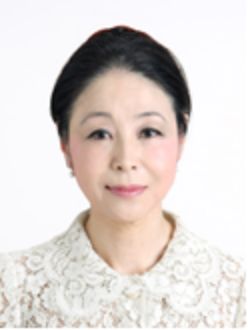
Message from the Professor
Chronic stress leads to declines in cognitive and immune function and is deeply implicated in the onset of numerous diseases.Occupational medicine stands at the forefront of disease prevention within our aging society.
By conducting integrated research into the entire stress and fatigue process—from upstream factors to downstream outcomes—we aim to advance “comprehensive stress research for a new era” and formulate new paradigms for how we work.
If you're interested in collaborating or learning more about our research, we’d love to hear from you.
Professor Yu Sakagami
Features of the Laboratory
We provide careful and supportive mentoring, while also helping students develop their future career paths.

The supervising professor is a dedicated occupational physician at Kyoto University.

We offer abundant opportunities for collaborative r collaborative research with experts in basic and clinical medical sciences.

Students have opportunities to learn about the latest topics in occupational medicine and occupational health-related legislation.

Students have opportunities to engage in large-scale database research involving datasets with millions of records.
Research Areas
The global environment surrounding work and daily life is undergoing significant change. In addition to maintaining physical and mental health, the ability to seek help when needed and to continue working while adapting to environmental changes has become increasingly important for individual well-being.
We define well-being not merely as the absence of disease, but as a state in which individuals can engage in their daily lives, work, and studies in a meaningful, fulfilling and true to themselves.
Our division plans and promotes research activities aimed at supporting the well-being of working and studying populations, focusing on the following areas:
- Epidemiological studies using large-scale medical and health checkup data to examine the associations between environmental factors, therapeutic interventions, and disease risk
- Research on employment among older workers in a super-aging society, supporting the concept of “living longer and working longer”
- Advanced research on heat-related illness in Japan, where heat exposure has become an increasingly serious concern
- Research on help-seeking behaviors, focusing on enabling individuals to say “I need help”
- Research on mental health and adaptation among international students
The foundation of occupational health lies in appropriately managing three core components: work environment management, which is closely related to environmental medicine and organic and inorganic chemistry; work management, which is associated with ergonomics; and health management, which is linked to life sciences and clinical medicine. These components are not independent, but have evolved through close interaction with diverse academic fields such as safety science, informatics, and clinical psychology.
Research Policy
- To cherish truth and always learn with humility and sincerity
- To spare no effort and approach research with creativity and ingenuity
- To collaborate across academic disciplines and professions, and to value teamwork
- To remain grateful to all those who contribute to and support our research
- To do our utmost to ensure that our research findings are returned to society
TOP > About